
Across the culinary world there is a clear shift toward local, environmentally friendly ingredients — and Canadian spices are a perfect example. Once treated as novelties, native Canadian flavours are moving into the mainstream as chefs use them to create new food experiences rooted in local origin and the country’s natural landscape.
Canadian spices in contemporary cuisine
Canada offers a wealth of natural spices and herbs, many of them foraged from local vegetation. Indigenous peoples have used these ingredients for generations, and chefs are now bringing them into restaurant kitchens to give diners a taste of the country’s wilderness. Their full potential is still being explored, but a few already stand out:
- Juniper berries — piney and peppery, a classic match for game meats.
- Wild mint — bright, cooling notes for both savoury dishes and drinks.
- Labrador tea — herbal and aromatic; lovely in desserts and infusions.
- Fireweed — a subtly sweet, floral character unique to the north.
Using these home-grown spices supports local farmers and foragers while giving guests the distinctive flavours they look for in genuinely local cuisine.
Local sourcing & sustainability
As chefs and diners grow more conscious of sustainability, locally grown spices are increasingly the preferred choice — and Canadian spices fit perfectly. Grown and harvested close to home, they carry a lower environmental footprint, which appeals to restaurants and customers who care about where their food comes from. Local sourcing also means fresher spices and better-tasting dishes, in step with the farm-to-table movement. Ingredients like wild sage, sumac, and wild mustard now appear in everything from appetizers to desserts.
New ways chefs use Canadian spices
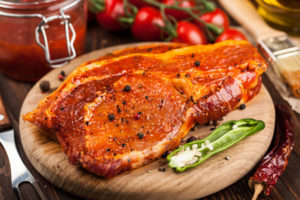
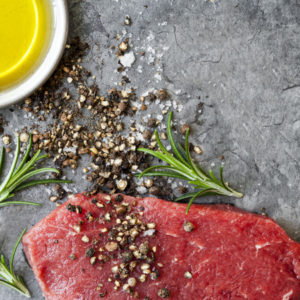
On modern menus, Canadian spices appear in both traditional and reinvented dishes. Juniper, with its pine-like, peppery flavour, pairs beautifully with game meats such as venison and duck. Wild garlic brings punch to sauces and marinades, while Labrador tea adds character to desserts and infusions. Chefs are also blending native spices with global flavours to create fusion dishes — pairing Mediterranean cumin or coriander with spruce tips or birch, for example — for a dining experience that feels distinctly Canadian and contemporary.
Canadian spices in drinks & desserts
Canadian spices are not limited to savoury cooking. More restaurants are working them into desserts and cocktails: wild berries and sumac flavour syrups, sorbets, and pastry fillings, while warming spices like cinnamon and star anise turn up in winter cocktails. Bringing these flavours to the sweeter side of the menu adds a fresh dimension — and reflects a wider movement to turn once-unusual ingredients into everyday favourites.
The bottom line
The rise of Canadian spices on today’s menus reflects a broader appetite for local, natural, and traditional foods. As chefs keep discovering what these ingredients can do, diners can look forward to new ways of tasting the land — whether in an authentic regional recipe or an inventive fusion dish — and a richer national food culture along the way.
Source authentic Canadian spices
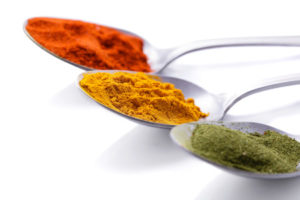
Explore the range of raw spices and seasonings MMIS supplies to kitchens across Canada.
Frequently asked questions
What are some popular Canadian spices?
Juniper berries, wild mint, Labrador tea, fireweed, wild sage, sumac, and wild mustard are among the native spices and herbs increasingly used in Canadian kitchens.
What do Canadian spices pair well with?
Juniper suits game meats like venison and duck, wild garlic lifts sauces and marinades, and Labrador tea works well in desserts and infusions.
Why are local Canadian spices growing in popularity?
They support local growers, carry a smaller environmental footprint, and give chefs distinctive regional flavours that diners increasingly seek out.
This article represents is a guest opinion piece and doesn’t necessarily coincide with the positions of the company. For more information about our company’s stance, please get in touch with us directly.
 MMIS Mondo

 MMIS Mondo